
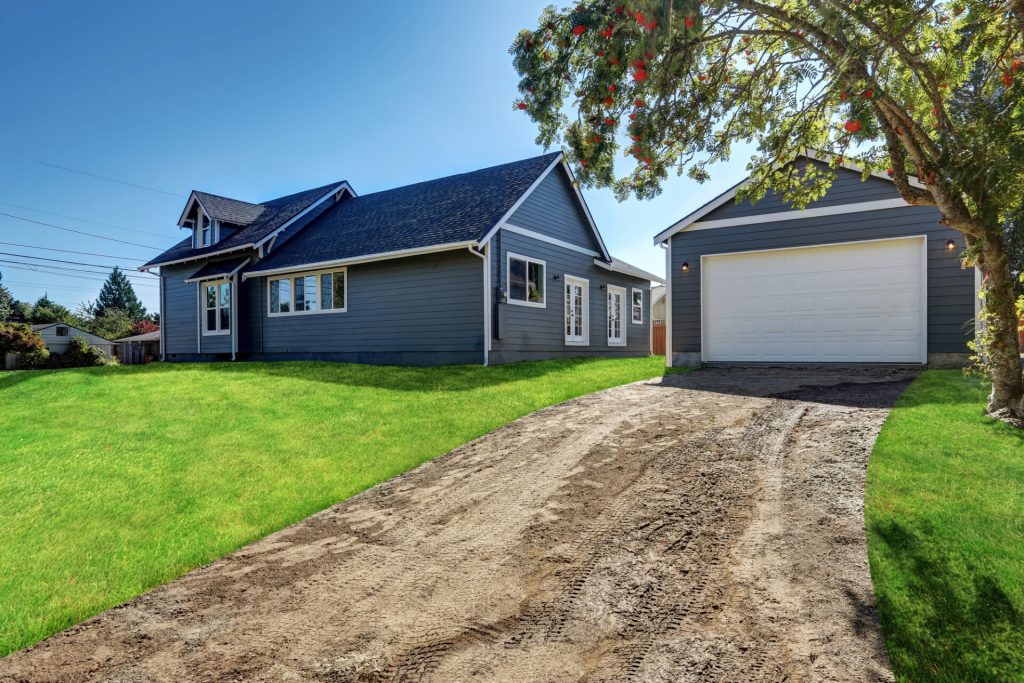
Are your dreams of having your own “she shed” or “shred shed” gym finally coming to fruition? If so, first we wanted to say congratulations! It’s always a pleasure to see homeowners achieving their goals. Depending on how you’re using it, each of these types of buildings will need electricity. So how do you power a detached structure? Here are four questions to ask yourself before you get started.
How big is the structure?
In both of our examples, we mentioned a shed of some kind. A “shed” is usually between an 8×8 sized structure and possibly up to a 10×12. However, the latter is starting to get close to a detached one-car garage, which technically is also a detached structure.
Our point is that when you need to power a detached structure, you will need to consider its size.
What is its primary purpose?
Next, you will want to think about the structure’s primary purpose. In our gym example, all you’ll probably need are some lights, maybe an outlet for a TV or sound system, and possibly a way of cooling it. If you’re planning to heat it in the winter, you will want to keep that in mind as well.
However, if your detached structure is for a woodworking space, you’ll need much more power for your tools. And if you’re planning on a secondary garage for your special car or truck, you’ll want to factor in the ways you’ll be caring for your vehicle.
How much power will the detached structure need?
To power a detached structure, you’ll essentially need to answer both of our two previous questions about the size and purpose. The more complex function of your detached structure, the higher its power demands will be.
In other words, it may be as simple as needing enough to provide ample light for your recreational activities in the structure. On the other hand, if you’re planning to power tools and devices that use a 200-watt outlet, your power demands will be much higher.
Do you have open circuits?
Next, take a look at your existing electrical panel. If your power demands are low, or you have open breakers in your breaker box, you could potentially add it to your current panel. Open circuits or ones with minimal demands on their flow should be able to power lights or a ceiling fan with ease.
You may need a subpanel
Then again, if you’re going to need robust power in your detached structure, you’ll want to consider installing a subpanel. This provides a couple of major benefits, such as the ability to stop the flow of power to all fixtures in your detached structure without
affecting your primary home. It also prevents the possibility of overloading your current circuits or electrical panel system.
It’s best to work with a residential electrician
When you want to power a detached structure, there are quite a few things you’ll need to keep in mind. From its size to purpose to power needs to your current home setup, it’s often easier to work with a professional residential electrician.
That’s where our team comes in. We can help you work through these answers while also professionally installing whatever power setup you’ll need. Would you like to learn more? Then send us a message here or call our sales team at (614) 992-7856.